WhatsApp Chatbots: How They Work and Why They Matter
A practical look at how WhatsApp chatbots automate sales and support, the difference between rule-based and AI bots, and how to build one that customers love.
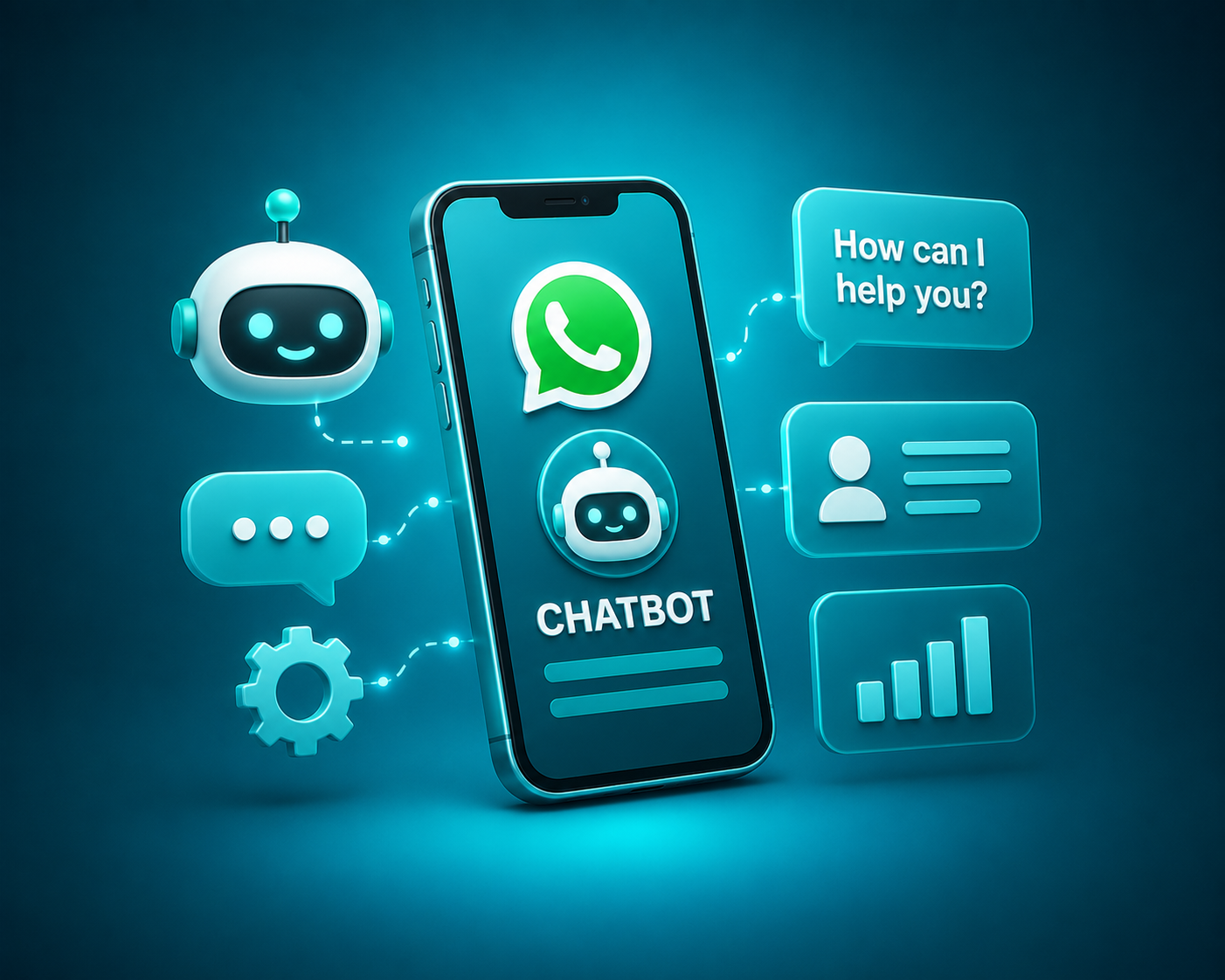
A WhatsApp chatbot is an automated assistant that chats with your customers inside WhatsApp — answering questions, qualifying leads, taking orders, and handing off to a human when needed. Here's how they work and how to build one that genuinely helps.
Rule-based vs. AI chatbots
- Rule-based bots follow predefined menus and decision trees. They're predictable and great for structured tasks like order tracking.
- AI bots use natural language understanding and generative AI to interpret free-text questions, adapt tone, and answer more flexibly.
- The best deployments combine both — structured flows for common journeys, AI for everything else.
What a WhatsApp chatbot can do
- Answer FAQs instantly, 24/7, in multiple languages.
- Qualify and capture leads, then sync them to your CRM.
- Share product recommendations and process orders in chat.
- Send and field appointment bookings and reminders.
- Escalate to a live agent with full context when a human is needed.
Building a bot customers actually like
- Start with your top five customer questions and automate those first.
- Write a warm, on-brand welcome message that sets expectations.
- Always offer an obvious 'talk to a human' path.
- Use quick-reply buttons to reduce typing and dead ends.
- Review transcripts weekly and close the gaps the bot missed.
A good chatbot doesn't replace your team — it removes the repetitive work so your team can focus on the conversations that need a human.
When a chatbot resolves routine chats instantly and escalates the rest gracefully, you get faster responses, lower support costs, and happier customers — without sacrificing the human touch where it counts.

.png)